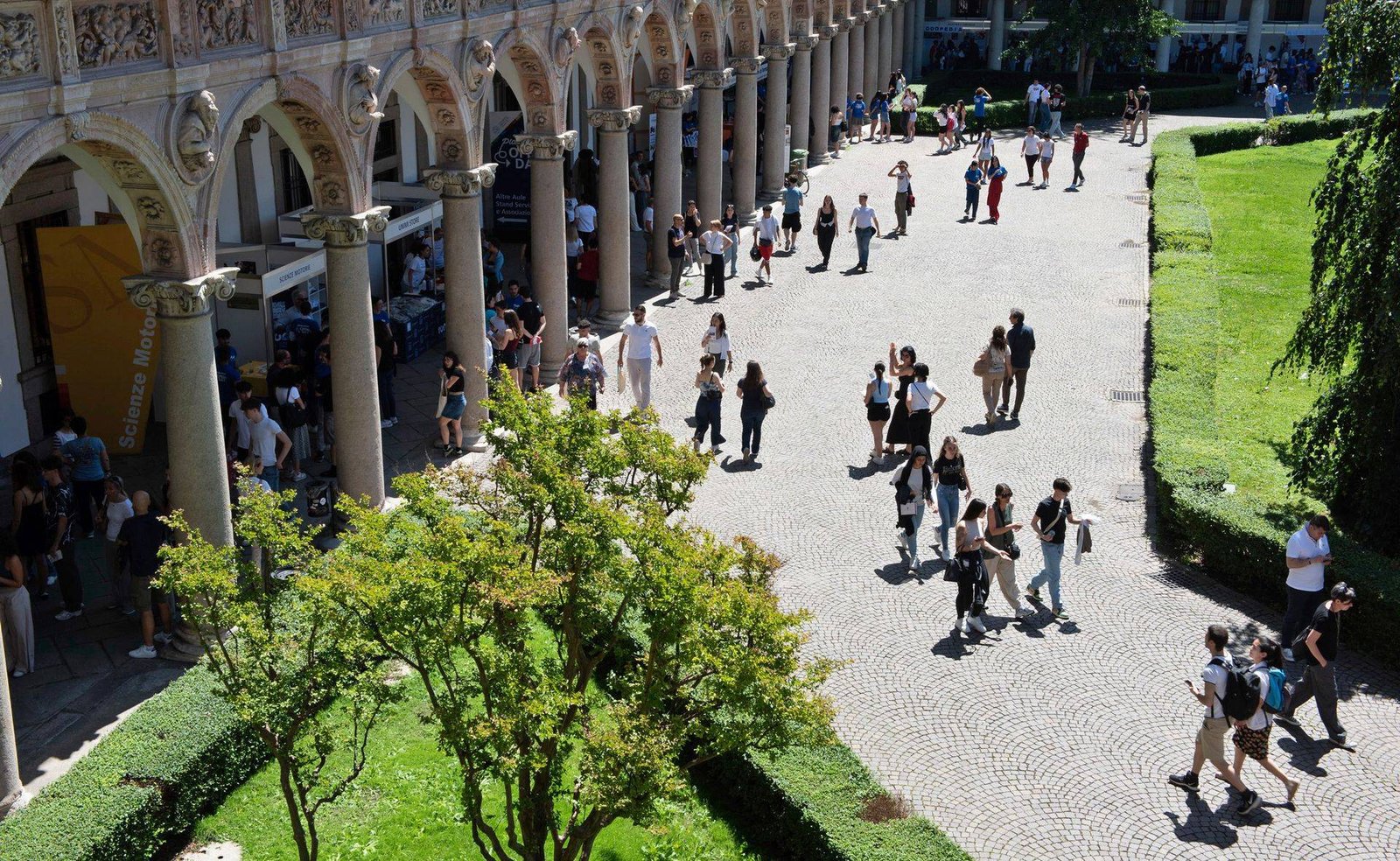
Cost of Studying Medicine(IMAT) in Italy for International Students
Studying medicine in Italy has become an increasingly popular option for international students who want to pursue a high-quality medical education in Europe. Italian public universities offer English-taught medical programs that attract students from different parts of the world. One of the main reasons for this growing interest is the relatively affordable cost of studying medicine compared to many other countries.
However, before planning to study medicine abroad, students and their families often want to understand the financial aspects involved. Questions about tuition fees, accommodation expenses, living costs, and possible scholarships are among the most common concerns. Understanding the approximate cost of studying medicine in Italy helps students plan their finances more effectively and avoid unexpected difficulties after arriving in the country.
It is important to note that costs can vary depending on the university, the city where the student lives, and personal lifestyle choices. Prices may also change slightly each year due to economic conditions or university policies. Therefore, the figures mentioned in this guide should be considered approximate estimates designed to help students understand the general financial requirements for studying medicine in Italy.
Why Italy Is Considered Affordable for Medical Education
Many students compare Italy with other popular study destinations such as the United Kingdom, the United States, Canada, or Australia. In those countries, tuition fees for medical programs are often very high and can reach tens of thousands of euros per year. In contrast, public universities in Italy usually offer much lower tuition fees because higher education is supported by the government.
Another important factor is the availability of scholarships and financial support programs for international students. Many students are eligible for regional scholarships that may cover part of the tuition fees and sometimes even provide additional financial assistance for living expenses.
Because of these factors, Italy has become one of the few countries in Europe where international students can study medicine in English at a relatively affordable cost while still receiving a degree that is recognized internationally.
Tuition Fees for Medical Universities in Italy
Tuition fees for medical programs in Italy depend on several factors, including the university, the student's financial background, and regional regulations. In most public universities, tuition fees are calculated using a system that considers the economic situation of the student's family.
For international students, the tuition fee range for medical programs is generally lower than many private medical schools around the world. The exact amount may vary depending on the university and specific administrative rules.
| Type of University | Approximate Annual Tuition Fees | Notes |
| Public Medical Universities | Approximately €500 – €4,000 per year | Fees may vary depending on financial documentation and university policies. |
| Private Universities | Approximately €10,000 – €20,000+ per year | Private universities usually charge higher tuition fees. |
Most international students who take the IMAT exam apply to public universities because they offer a balance between quality education and reasonable tuition fees. Students should always check the official university websites for the most accurate fee information for a specific academic year.
Cost of Living in Italy for Students
In addition to tuition fees, students must also consider their monthly living expenses. The cost of living in Italy can vary significantly depending on the city and lifestyle choices. Large cities such as Milan and Rome generally have higher living costs, while smaller university towns may be more affordable.
The main categories of living expenses typically include accommodation, food, transportation, utilities, study materials, and personal expenses. Students who plan their budgets carefully can often manage their expenses more effectively.
Accommodation Costs for Students
Accommodation is usually the largest monthly expense for international students. There are several housing options available in Italy, and each option has different costs and advantages.
Some students live in university dormitories, while others prefer private apartments or shared housing with other students. Shared apartments are often one of the most common choices among international students because they can reduce living expenses.
| Accommodation Type | Estimated Monthly Cost | Description |
| University Dormitory | €250 – €500 | Often subsidized and may include utilities. |
| Shared Apartment | €300 – €700 | Popular option where students share rent with roommates. |
| Private Studio Apartment | €600 – €1,200+ | More expensive but offers privacy. |
Food and Grocery Expenses
Food costs in Italy can be manageable if students cook at home regularly. Many students prefer buying groceries from supermarkets and preparing their own meals instead of eating out frequently.
Italian supermarkets offer a wide variety of affordable products including fresh fruits, vegetables, pasta, rice, and other basic food items. Students who cook regularly can significantly reduce their monthly food expenses.
Eating out occasionally is common among students, but frequent restaurant visits can increase monthly costs.
The approximate monthly cost for groceries and food can range between €150 and €300 depending on personal habits.
Transportation Costs
Public transportation in Italy is generally well-developed in major cities. Students usually rely on buses, trams, metro systems, or regional trains to travel between their accommodation and university.
Many cities offer discounted transportation passes specifically for students. These passes can help reduce travel expenses significantly.
The approximate monthly transportation cost for students is usually between €25 and €60 depending on the city and the transportation pass selected.
Utilities and Internet
Utilities include electricity, water, heating, and internet services. In shared apartments, these costs are usually divided among the roommates.
Utility expenses may vary depending on seasonal factors, especially during winter when heating is used more frequently.
On average, utility costs for students sharing an apartment may range between €50 and €120 per month.
Study Materials and Books
Medical education often requires textbooks, lab materials, and other study resources. However, many universities provide access to digital resources and university libraries that allow students to reduce the need for purchasing new books.
Students sometimes purchase used textbooks from senior students or online platforms, which can further reduce expenses.
The approximate annual cost for study materials may range between €100 and €300 depending on the course requirements.
Estimated Monthly Budget for Students
When all expenses are considered together, students can estimate a general monthly budget. The actual cost may vary depending on the city and personal lifestyle choices.
| Expense Category | Estimated Monthly Cost |
| Accommodation | €300 – €700 |
| Food | €150 – €300 |
| Transportation | €25 – €60 |
| Utilities and Internet | €50 – €120 |
| Personal Expenses | €100 – €200 |
| Total Estimated Monthly Budget | Approximately €600 – €1,300 |
Scholarships Available for International Students
One of the major advantages of studying in Italy is the availability of scholarship programs that support international students financially. These scholarships are usually offered by regional authorities, universities, or government programs.
Scholarships may vary each year depending on funding and eligibility criteria. Some scholarships provide partial support, while others may include financial grants and subsidized accommodation.
Students interested in scholarships should carefully review official university websites and regional scholarship portals for updated information and application requirements.
Part-Time Work Opportunities
International students studying in Italy may also explore part-time work opportunities depending on visa regulations and university policies. Many students work part-time in restaurants, retail stores, tutoring services, or campus facilities.
Part-time work can help students gain practical experience and contribute to their personal expenses. However, students should ensure that their work schedule does not interfere with their academic responsibilities.
Financial Planning Tips for Students
Planning finances before arriving in Italy can help students manage their budgets more efficiently. Creating a realistic monthly budget and tracking expenses can prevent financial stress during the academic year.
Students are encouraged to research accommodation options early, compare transportation passes, and explore available scholarships. Small savings in different areas can significantly reduce overall expenses.
Cooking at home, sharing accommodation with other students, and using student discounts for transportation and cultural activities are common strategies used by international students to manage their living costs.
Summarise
Studying medicine in Italy can be an excellent opportunity for international students who want access to quality medical education in Europe. Compared to many other countries, the cost of studying medicine in Italy is often considered relatively affordable, especially at public universities.
However, students should carefully consider both tuition fees and living expenses when planning their studies abroad. Because costs can vary depending on the city, lifestyle, and university policies, the figures mentioned in this guide should be considered approximate estimates rather than fixed amounts.
By planning finances carefully, exploring scholarship opportunities, and managing monthly expenses wisely, international students can make their medical education journey in Italy both academically rewarding and financially manageable.
Frequently Asked Questions
Is studying medicine in Italy expensive?
Compared to many other countries offering medical education in English, Italy is often considered relatively affordable, especially at public universities. However, costs vary depending on tuition fees and living expenses.
How much does it cost to live in Italy as a student?
Living expenses can vary depending on the city and personal lifestyle. Many students estimate their monthly budget between approximately €600 and €1,300.
Are scholarships available for international students in Italy?
Yes, several scholarship programs are available through universities and regional authorities. Eligibility requirements and funding amounts may vary each year.
Can international students work part-time in Italy?
Some international students may be able to work part-time depending on visa regulations and university policies. Students should verify the latest rules through official sources.
Is accommodation expensive in Italian cities?
Accommodation costs depend on the city and housing type. Shared apartments are often one of the most affordable options for international students.