Student Life in Italy for International Students – Complete Guide (2026)
Italy is one of the most fascinating destinations for international students who wish to pursue higher education abroad. Known for its rich cultural heritage, world-class universities, historic architecture, and vibrant lifestyle, Italy offers a unique academic experience that combines education with cultural exploration.
Every year thousands of students from different parts of the world travel to Italy to study programs such as medicine, engineering, architecture, business, and humanities. For students planning to study medicine through the IMAT examination, understanding student life in Italy is an important part of preparing for their academic journey.
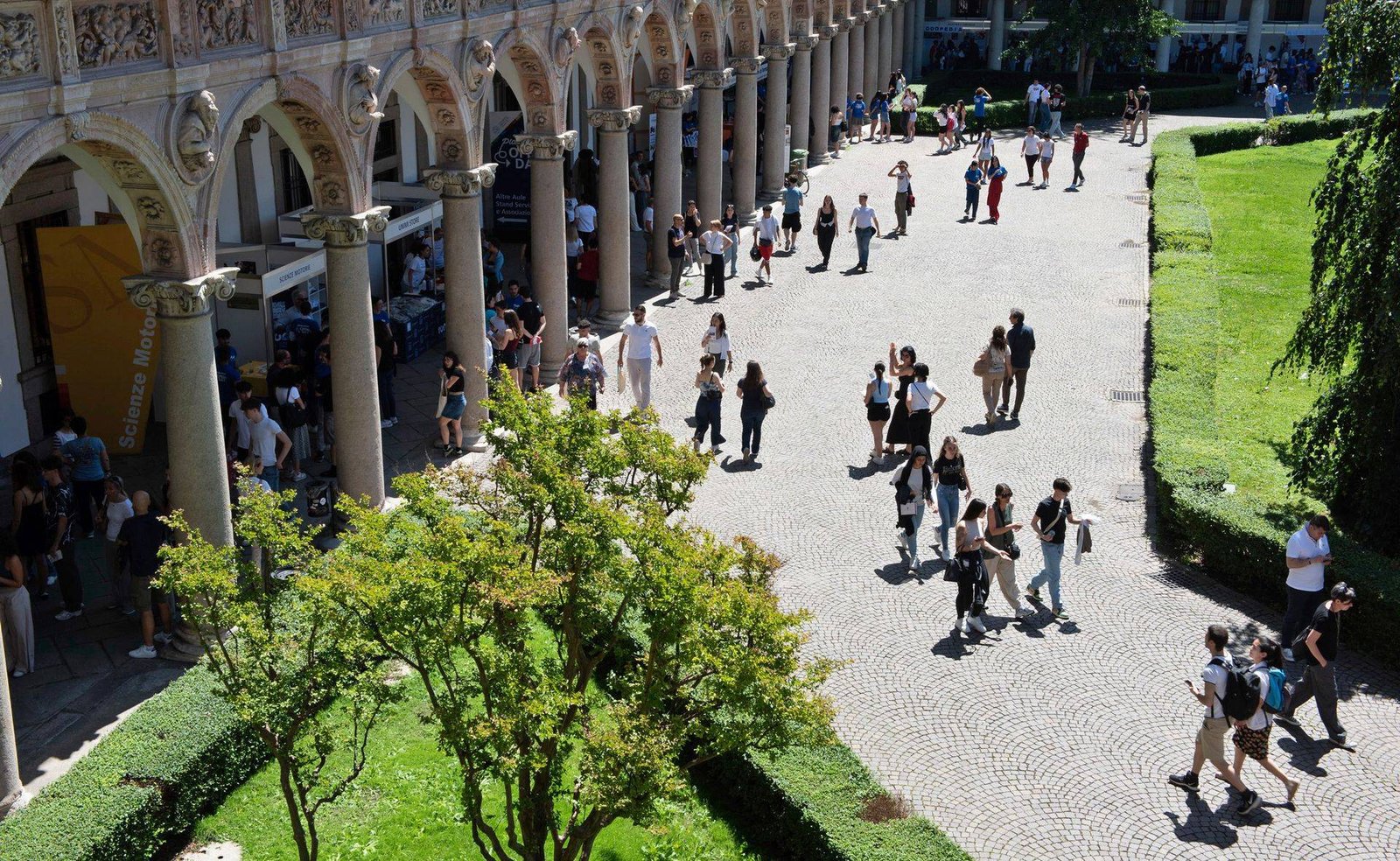
Student life in Italy is not limited to classrooms and lectures. It includes cultural experiences, interactions with students from different countries, exploring historical cities, and learning to adapt to a new environment. This guide explains what international students can expect while studying and living in Italy.
Academic Environment in Italian Universities
Italian universities are known for their long academic history and strong research traditions. Some institutions in Italy are among the oldest universities in the world and continue to attract students globally.
Classes are generally structured around lectures, seminars, laboratory sessions, and independent study. Many universities encourage students to participate actively in discussions, research projects, and collaborative learning activities.
For international students enrolled in English-taught programs, universities usually provide academic support, orientation sessions, and access to libraries, laboratories, and digital learning resources.
Daily Student Life in Italy
A typical day for a student in Italy may include attending university lectures, studying in libraries, meeting classmates for group discussions, and exploring the city. Students often balance academic responsibilities with social activities and personal interests.
Italian cities provide many opportunities for students to relax and socialize. Cafes, parks, museums, and cultural events are common places where students spend their free time.
Because many Italian cities are walkable and well connected by public transport, students can easily travel within the city and visit nearby attractions.
Accommodation Options for Students
International students in Italy usually choose between several types of accommodation depending on their budget and personal preferences.
University Dormitories
Some universities provide student dormitories or residences where students can stay close to campus. These accommodations often include shared facilities such as kitchens, study rooms, and common areas.
Shared Apartments
Many international students choose to share apartments with other students. Sharing accommodation helps reduce living costs and provides an opportunity to interact with students from different cultural backgrounds.
Private Apartments
Students who prefer more privacy sometimes rent private apartments, although this option may be more expensive depending on the city.
Cost of Living for Students in Italy
Living costs for students in Italy vary depending on the city, lifestyle, and accommodation choices. Larger cities such as Milan or Rome may have higher living costs compared to smaller university towns.
| Expense Category | Average Monthly Cost |
| Accommodation | €250 – €600 |
| Food | €150 – €250 |
| Public Transport | €25 – €45 |
| Utilities and Internet | €50 – €100 |
| Personal Expenses | €100 – €200 |
Students can manage their expenses by choosing shared accommodation, cooking meals at home, and using student discounts available for transportation and cultural activities.
Food and Cultural Experience
Italian cuisine is famous around the world for its variety and quality. Students studying in Italy often enjoy authentic Italian dishes such as pasta, pizza, risotto, and fresh regional specialties.
Most cities also offer international restaurants and grocery stores where students can find food from their home countries. Cooking with friends is a common activity among students living in shared apartments.
Food is an important part of Italian culture, and many students enjoy exploring local cafes, bakeries, and markets.
Transportation and Travel Opportunities
Italy has a well-developed transportation system that allows students to travel easily between cities. High-speed trains, buses, and regional trains connect major cities across the country.
Students often take advantage of weekends and holidays to visit famous landmarks such as Rome, Florence, Venice, and Milan. Traveling within Italy provides an opportunity to explore history, art, architecture, and natural landscapes.
Many students also travel to other European countries during their academic breaks because Italy is well connected to the rest of Europe.
Learning the Italian Language
Although many university programs are taught in English, learning basic Italian can significantly improve the daily experience of international students.
Understanding the local language helps students communicate more easily in shops, public transport, and social situations. Many universities offer optional Italian language courses for international students.
Learning Italian can also help students build stronger connections with local communities and experience the culture more deeply.
Social Life and Student Communities
Italian universities often have active student communities that organize cultural events, academic workshops, sports activities, and social gatherings. These events allow students to meet people from different countries and build friendships.
Student organizations, clubs, and international student associations play an important role in helping new students adapt to university life. Participation in such communities can make the transition to a new country easier.
Many students also participate in cultural festivals, music events, and local celebrations that take place throughout the year.
Healthcare and Student Support
International students studying in Italy typically have access to healthcare services through student health insurance or national health systems depending on their status.
Universities may also provide student counseling services, academic support, and guidance centers that assist students with academic or personal challenges.
Having access to these services helps students maintain their well-being during their academic journey.
Tips for International Students Moving to Italy
Preparing for life in a new country requires planning and flexibility. Students who are planning to move to Italy for their studies may find the following tips helpful:
- Research your university and city before arrival.
- Arrange accommodation early to avoid last-minute challenges.
- Learn basic Italian phrases for daily communication.
- Create a monthly budget to manage expenses.
- Participate in student events to build social connections.
Summarise
Student life in Italy offers a unique combination of academic opportunities and cultural experiences. From studying at historic universities to exploring beautiful cities and enjoying Italian cuisine, international students can gain valuable experiences both inside and outside the classroom.
While adjusting to a new country may require time and effort, many students find that living and studying in Italy provides personal growth, global exposure, and memorable experiences that last a lifetime.
Frequently Asked Questions (FAQ)
Is Italy a good place for international students?
Italy is considered a popular destination for international students because of its historic universities, cultural diversity, and availability of English-taught programs in various fields.
Can international students work while studying in Italy?
Students may be allowed to work part-time according to visa regulations. However, students should always check official rules and university guidelines before seeking employment.
Is it necessary to learn Italian while studying in Italy?
While many programs are taught in English, learning basic Italian can make daily life easier and help students interact with local communities.
What is the average cost of living for students in Italy?
Living costs depend on the city and lifestyle, but students typically spend between €600 and €1200 per month including accommodation, food, and personal expenses.
Do universities in Italy provide support for international students?
Many universities offer orientation programs, language courses, and student support services to help international students adapt to their new academic environment.