Best Italy Education Consultant in India – A Practical Guide for Students
Italy has become an increasingly popular destination for international students who want to study in Europe. Many universities in Italy offer internationally recognized degrees, modern research facilities, and programs that attract students from all over the world. Because of this growing interest, students often look for reliable guidance before starting their study abroad journey.
Applying to universities in another country is not always simple. Students need to understand admission requirements, prepare documents, choose suitable universities, and follow visa procedures. This is why many students look for an experienced Italy education consultant who can help them understand the process step by step.
Europick Education provides information and guidance for students who want to explore higher education opportunities in Italy. The aim is to help students understand the admission process, available programs, and general requirements before applying to universities.
Start Your Italy Study Application
Why Students Choose Italy for Higher Education
Italy has a long academic history and is home to some of the oldest universities in the world. Institutions such as the University of Bologna and Sapienza University of Rome have been part of the global academic community for centuries.
Today, Italian universities continue to attract international students because of their academic reputation and the variety of courses available in fields such as medicine, engineering, architecture, business, and design.
- Universities with long academic traditions
- Internationally recognized degrees
- Programs available in English
- Opportunities for research and innovation
- Exposure to European culture and lifestyle
Popular Courses to Study in Italy
Students choose Italy for a variety of academic programs depending on their interests and career goals. Some courses have become particularly popular among international students.
| Course | Why Students Choose It |
|---|---|
| Medicine | Globally recognized medical programs in several universities |
| Engineering | Strong technical universities and research opportunities |
| Architecture | Italy’s historical architecture and design influence |
| Business | International business schools and global exposure |
How an Education Consultant Can Help
Students planning to study abroad often have many questions. They may not be familiar with university requirements, document preparation, or visa procedures. An experienced education consultant can help students understand these steps more clearly.
A consultant may assist with:
- Explaining admission requirements
- Helping students choose suitable universities
- Guidance on scholarship opportunities
- General information about visa procedures
- Advice about accommodation and student life
However, students should always verify official information directly from universities and embassies before making final decisions.
Approximate Cost of Studying in Italy
The cost of studying in Italy varies depending on the university, course, and city where the student chooses to live. Public universities often have different fee structures compared to private institutions.
| Expense | Approximate Cost |
|---|---|
| Tuition Fees | €1000 – €6000 per year (varies by program) |
| Accommodation | €300 – €700 per month |
| Food and groceries | €150 – €300 per month |
| Transportation | €25 – €60 per month |
These figures are approximate and may vary depending on lifestyle and city.
Student Life in Italy
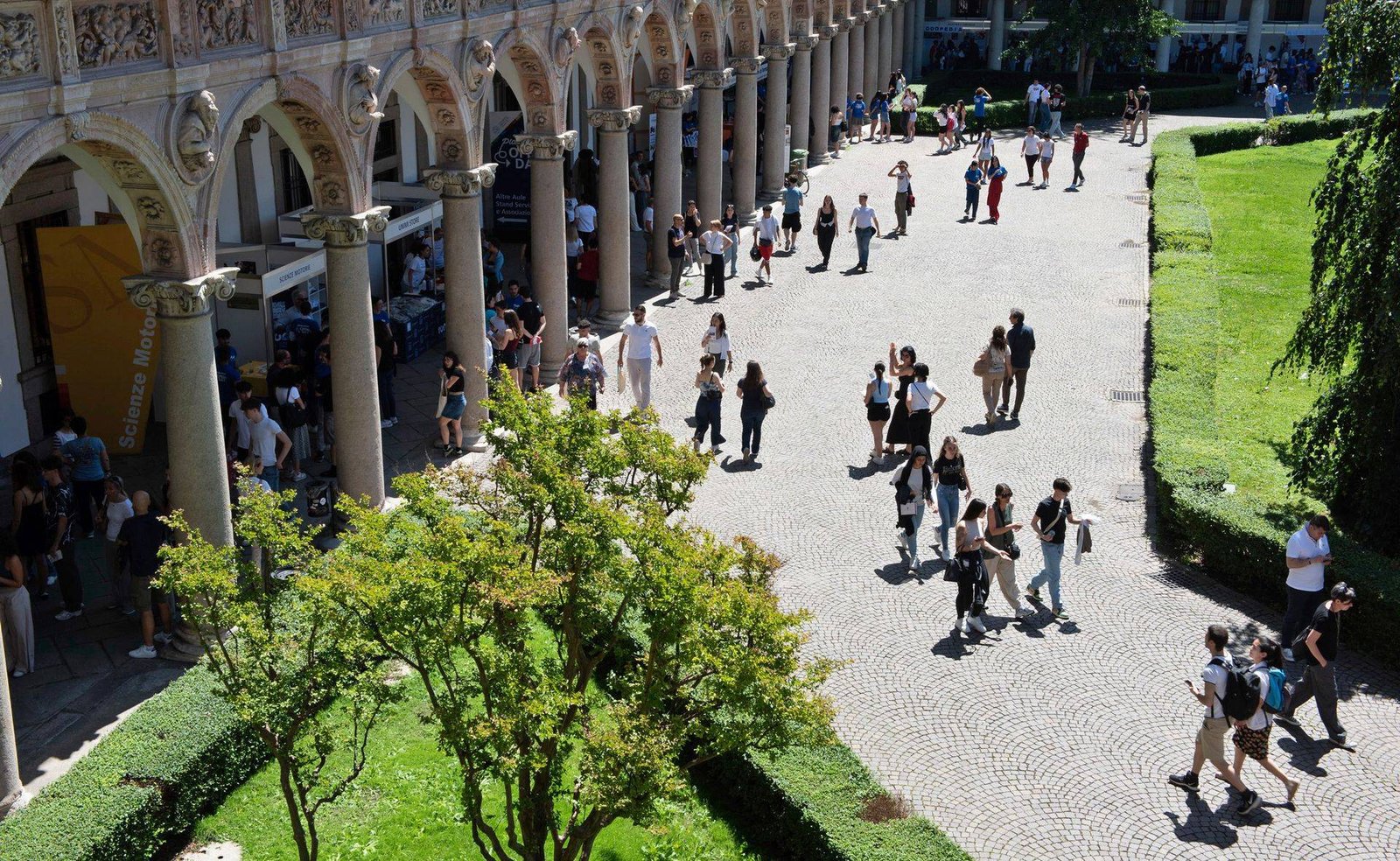
Living in Italy can be an exciting experience for international students. The country offers a unique mix of culture, history, and modern student life. Many cities have active student communities where students from different countries meet and learn together.
Students often explore local culture, travel across European countries, and participate in university activities while completing their academic programs.
Contact Europick Education
Students interested in studying in Italy can contact Europick Education to learn more about available programs and admission guidance.
Phone: +91 7067488543
Email: europickeducation@gmail.com
Website: https://europickeducation.com
Final Thoughts
Studying in Italy can provide valuable academic and cultural experiences for international students. By researching universities carefully, preparing documents properly, and understanding admission requirements, students can begin their study abroad journey with better confidence.
Students are encouraged to always check official university and embassy sources for the most accurate and updated information before applying.
Frequently Asked Questions About Studying in Italy
1. Is Italy a good destination for international students?
Italy is known for its historic universities, diverse courses, and international student community. Many students choose Italy for higher education because of academic quality and cultural exposure.
2. Do universities in Italy offer English-taught programs?
Yes, several universities in Italy offer programs taught in English, especially at the master’s level.
3. What are the popular courses in Italy?
Popular courses include medicine, engineering, architecture, design, business, and arts.
4. Do students need a visa to study in Italy?
Most international students need a student visa depending on their nationality and course duration.
5. How long does the student visa process take?
The processing time varies by country and embassy but usually takes several weeks.
6. Can students work while studying in Italy?
International students may be allowed to work part-time according to local regulations.
7. What is the average cost of living in Italy for students?
Living expenses can vary depending on the city but students often budget between €700 and €1200 per month.
8. Are scholarships available in Italy?
Many universities and regional authorities offer scholarships for international students.
9. What documents are required for admission?
Documents usually include academic transcripts, passport, application forms, and other documents depending on the university.
10. Is health insurance required for studying in Italy?
Yes, international students typically need valid health insurance coverage.
11. What are the best cities for students in Italy?
Popular student cities include Milan, Rome, Bologna, Turin, and Florence.
12. Is accommodation expensive in Italy?
Accommodation costs vary by city and type of housing.
13. Can students travel across Europe while studying in Italy?
Yes, students studying in Italy can often travel within the Schengen area according to visa regulations.
14. How early should students apply to universities?
Students are generally advised to start applications several months before the academic session begins.
15. Do Italian universities require entrance exams?
Some programs require entrance exams depending on the course.
16. Is Italy safe for international students?
Italy is considered safe for students, though normal safety precautions are always recommended.
17. Are internships available for students in Italy?
Many universities and companies provide internship opportunities depending on the course.
18. What language is spoken in Italy?
The primary language is Italian, though English is widely used in universities and international environments.
19. Can students stay in Italy after graduation?
Post-study options may depend on visa regulations and employment opportunities.
20. Do students need Italian language skills?
Basic Italian can help in daily life, although many programs are taught in English.
21. What is the academic year in Italy?
The academic year typically starts around September or October depending on the university.
22. Are private universities expensive in Italy?
Private universities may have higher tuition fees compared to public universities.
23. Can students open bank accounts in Italy?
International students can usually open bank accounts once they arrive in Italy.
24. Is public transportation available in student cities?
Most cities offer buses, metro, and trains that are accessible to students.
25. Do universities provide student accommodation?
Some universities offer student housing, though availability may be limited.
26. What is the weather like in Italy?
Italy has a Mediterranean climate with warm summers and mild winters in many regions.
27. Are international communities common in universities?
Yes, many universities have diverse international student populations.
28. Is it easy to adapt to life in Italy?
Many students adapt quickly with support from universities and student communities.
29. Are there student discounts in Italy?
Students often receive discounts on transportation, museums, and other services.
30. Do universities offer research opportunities?
Yes, research opportunities may be available depending on the course and university.
31. Can students bring family members?
Family visas may be possible depending on immigration rules.
32. Are there student clubs in universities?
Many universities have student organizations and clubs for activities and networking.
33. Do universities provide career support?
Some universities provide career guidance and placement support services.
34. Is Italy good for engineering students?
Italy has several well-known engineering universities and research institutions.
35. Is studying medicine in Italy popular?
Yes, many international students apply for medical programs in Italy.
36. Do students need to translate academic documents?
Some universities may require translated or certified copies of documents.
37. What is the application process like?
The process usually includes submitting an online application and required documents.
38. Do universities have application deadlines?
Yes, deadlines vary depending on the university and program.
39. Are part-time jobs available for students?
Some students find part-time work opportunities while studying.
40. Do students need proof of funds?
Financial proof may be required for visa applications.
41. What kind of food is available in Italy?
Italy offers diverse cuisine and international food options in major cities.
42. Are libraries available for students?
Universities usually have libraries and study spaces.
43. Is it possible to study in Italy without IELTS?
Some universities may accept alternative proof of English proficiency.
44. Do universities provide orientation programs?
Many universities organize orientation sessions for new international students.
45. Are cultural activities common in universities?
Yes, universities often host cultural and social events for students.
46. What transportation options are available between cities?
Italy has an extensive train network connecting major cities.
47. Are student visas renewable?
Student residence permits may need renewal depending on the course duration.
48. Can students apply for internships during studies?
Internships may be available depending on university partnerships.
49. What support services do universities offer?
Universities often provide academic support, counseling, and international student services.
50. How can students start the study abroad process?
Students can begin by researching universities, preparing documents, and seeking guidance from reliable sources.